 Web DevelopmentWebsite Design Cost in the UK: What Shapes the Price of a Business WebsiteThe factors behind the price of a UK business website, one off and monthly, and how to compare quotes.
Web Design Company in London: What London Businesses Should Expect From a Website Project
What a website project with a London web design company looks like, from brief to launch.
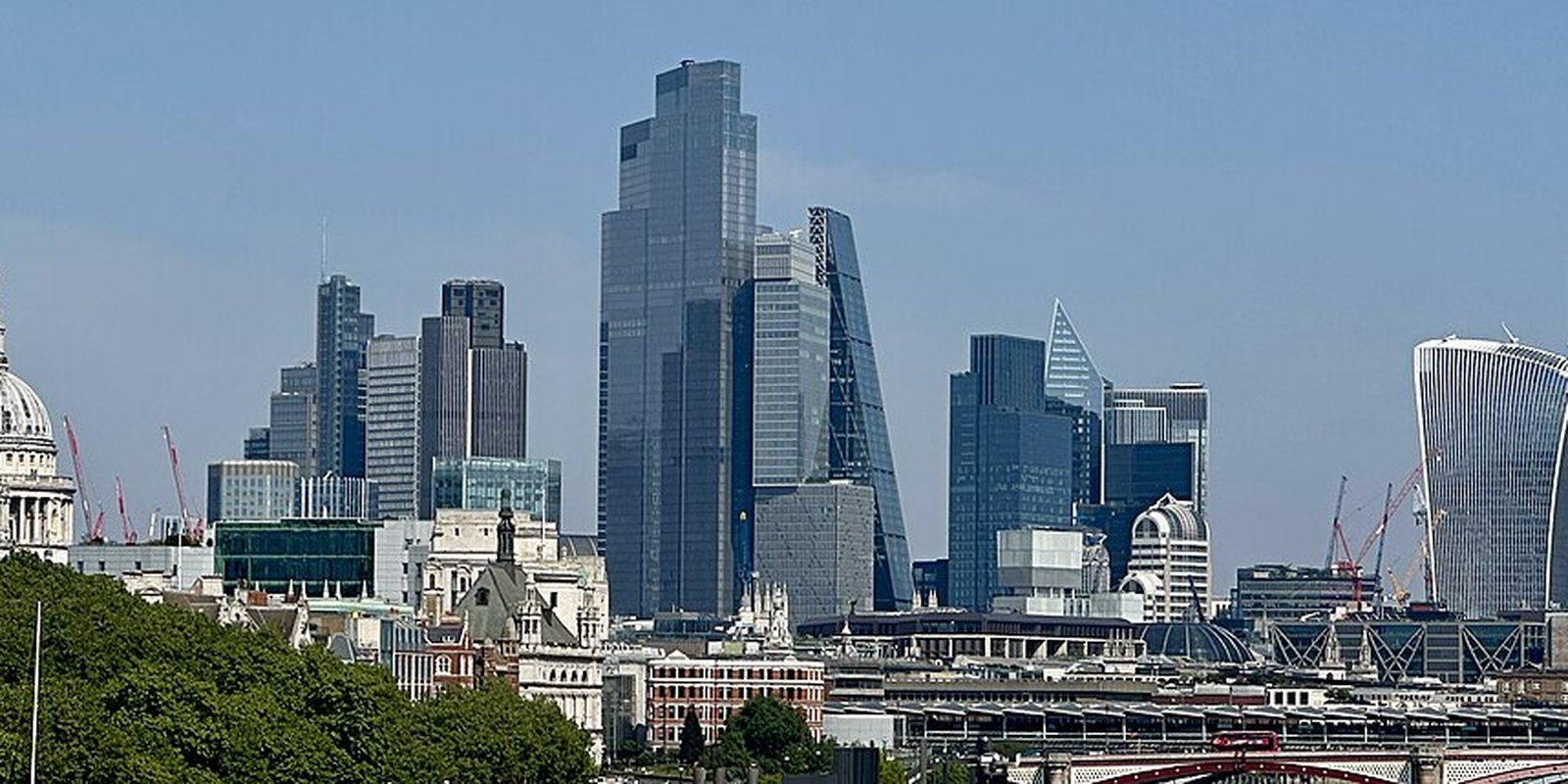
Good web design London businesses can rely on starts with a clear brief, a written scope and a site built to win enquiries in one of the most crowded search markets in the country. Expect a structured process from discovery to launch, compliance with UK GDPR and accessibility standards, and a team that can explain every decision in plain English, whether they sit in Shoreditch or work with you by video call.
The situation is familiar. A firm in the City has a site that looks respectable but produces almost no enquiries. A restaurant group in Soho relies on booking platforms because its own site is slow on a phone. A startup in east London has outgrown a builder template and needs something that can handle sign ups, payments and a growing product. Each of them has collected quotes that are impossible to compare. This guide explains what a London website project should include, what to expect at each stage and how to judge the agencies on your shortlist.
Why web design London projects face tougher competition
London has a huge concentration of businesses chasing the same customers. A search for an accountant, a dentist, a solicitor or a cocktail bar returns map listings, paid adverts and dozens of organic results, many from firms with strong brands and years of content behind them. A new website does not win attention just by looking modern. It has to load quickly, answer the searcher's question within seconds and give them a reason to call or book rather than click back.
Competition also plays out by area. Someone searching from Clapham rarely wants a service in Walthamstow, and Google knows it. London businesses that serve specific boroughs or neighbourhoods need location pages written for real people, a consistent Google Business Profile and on page signals that match where they actually work. Generic pages repeated with a different postcode do not do the job.
What London buyers tend to expect
- Credibility at a glance. Clients comparing several firms judge quality in seconds. Typography, photography and copy have to look as considered as the service itself.
- Speed on mobile. Many searches happen on the move, on patchy connections, between meetings or on the Tube.
- Clear next steps. A visible phone number, a short form, an online booking option or a payment flow that works first time.
- Trust signals. Reviews, accreditations you genuinely hold, case studies and the company details that UK visitors look for.
Anyone researching web design London UK options will notice that the strongest local sites share a few habits. They say clearly who they serve and where, they show real work rather than stock imagery, and they make the next step obvious on every page. None of that depends on a large budget. It depends on a clear brief and a team that asks the right questions before designing anything, then tests the result with real visitors after launch.
Industries and what their websites need
Every sector in London has its own priorities. The table below summarises the most common ones and what usually matters for each.
| Sector | Main goal of the site | Features that usually matter | Points to watch |
|---|---|---|---|
| Financial services | Credibility and qualified enquiries | Clear service pages, team profiles, secure forms, gated resources | FCA rules on financial promotions for regulated firms; careful wording |
| Professional services (legal, accounting, consulting) | Enquiries from the right clients | Practice area pages, insights, booking calls, local pages | Regulatory information in footers; consistent firm details |
| Retail and ecommerce | Online sales and store visits | Product catalogue, fast checkout, delivery and returns rules, stock syncing | Consumer rights on distance selling; VAT shown correctly on prices |
| Hospitality | Bookings and footfall | Menus as real text, table booking, events, maps, gift options | Allergen information kept up to date; fast mobile pages |
| Startups and technology | Sign ups, demos and investor confidence | Product pages, pricing pages, integrations, documentation, analytics | Room to grow; a CMS the marketing team can use without developers |
Regulated firms should involve their compliance team early. A web agency London firms trust will plan time for compliance review of copy rather than treating it as a last minute obstacle.
What a London website project should include
Whether you are commissioning a small site for a consultancy or a full store for a retail brand, the stages follow a similar pattern. Use this list to compare proposals.
- Discovery. Your customers, services, competitors, current analytics and the goals the site must hit, written into a short agreed brief.
- Sitemap and content plan. Every page, its purpose, the searches it should answer and who writes it.
- Wireframes. Plain layouts showing structure before visual design begins.
- Visual design. Key templates designed for mobile first and then desktop, following your brand.
- Build on a staging site. You can review progress at any time instead of waiting for a single reveal.
- Content, search setup and redirects. Page titles, descriptions, structured data and redirects from every old address that has value.
- Testing. Forms, devices, browsers, speed, accessibility and payment flows.
- Launch, training and handover. Every login in your company's name and a team that knows how to update the site.
Design and development are different skills
Website design London agencies show off in portfolios covers layout, visual identity and how people move through pages. Development covers the code, the content management system, integrations, security and performance. A brochure site leans on design; a store, booking platform or member area leans heavily on development. If your project needs both, check that the team has people who specialise in each, and look at how they approach website and interface design as well as the build.
Ecommerce for London retailers
London shoppers expect quick checkouts and familiar payment options. Card payments, PayPal, Apple Pay and Klarna are common choices, and the right mix depends on your customers and average basket. Delivery rules, click and collect, returns and stock syncing with a shop or warehouse all add complexity. Read how a team handles ecommerce website development in London and payment integration before you shortlist, because a store that looks good but fails at checkout loses sales quietly.
Accessibility, UK GDPR and the legal basics
A London business website has to work for every visitor and handle personal data properly. These are not extras to bolt on at the end.
Accessibility under the Equality Act
The Equality Act 2010 requires service providers to make reasonable adjustments so disabled people are not disadvantaged, and this is widely applied to websites. The recognised benchmark is the Web Content Accessibility Guidelines, now at version 2.2, and level AA is the sensible target. In practice that means good colour contrast, full keyboard navigation, labelled form fields, text alternatives for meaningful images, captions on video and a logical heading order. Ask any agency how it tests, because automated scanners only catch part of the picture.
UK GDPR and cookie consent
Contact forms, newsletter sign ups, booking tools and analytics all involve personal data, which brings the site within UK GDPR and the Data Protection Act 2018. You need a privacy notice that explains what is collected and why. Under PECR, non essential cookies such as most analytics and advertising tags need consent before they are set, so the consent banner must actually block those tags until the visitor agrees. The ICO publishes guidance on both.
Company and VAT details
Limited companies are generally expected to show details such as their registered name, company number and registered office on their website, and VAT registered businesses usually display their VAT number. Your accountant or solicitor can confirm exactly what applies to you, and your agency should build a place for it in the footer or legal pages.
Getting found: local SEO across London
A beautiful site that nobody finds will not bring in enquiries. For web design London customers can actually find, visibility has to be planned from the sitemap stage, not added after launch. For London businesses this usually means:
- A complete, accurate Google Business Profile with the right categories, opening hours, photos and reviews.
- Service pages that answer real questions in depth rather than thin pages stuffed with place names.
- Location pages only where you genuinely serve an area, each with useful local detail.
- Clean technical foundations: fast pages, correct indexing, structured data and sensible internal linking.
- Consistent business name, address and phone number across directories and your own site.
Google's own Search Central documentation explains how its systems crawl and rank pages, and it is worth reading before you accept anyone's promises. If you want help with the map pack and neighbourhood searches, look at local SEO services, and for a deeper look at what a good programme includes, see our guide to SEO services in the UK. A visibility audit is a sensible first step if you are not sure where your current site stands.
Working with an agency remotely
Many London businesses assume they need an agency they can visit. In practice most projects, even with agencies based in the capital, are run through video calls, shared documents and staging links. What decides the outcome is communication, not postcode. Agree how often you will speak, who your named contact is, how feedback is logged and how quickly questions are answered.
Working remotely also widens your choice. You can pick a team for its skills and process instead of its proximity, as long as it understands the UK market: British spelling, UK payment habits, VAT display, UK address formats and the regulations above. For a broader guide to choosing a partner anywhere in the country, read our guide to choosing a web development company in the UK.
Checklist: questions to ask a London web agency
Take this checklist into every call with an agency on your shortlist.
- Can we see live sites you have built for businesses like ours?
- Who will manage our project, and will we speak to them every week?
- What is included in the scope, and what is excluded?
- Who writes and loads the content?
- How will old addresses be redirected to protect our current rankings?
- How do you test against WCAG 2.2 level AA?
- Does the cookie banner block tags until consent is given?
- Who will own the domain, hosting, code and design files?
- What support do you provide after launch, and how are changes priced?
- How will we know whether the site is producing enquiries or sales?
Be wary of guaranteed rankings, quotes that arrive before anyone asks about your business, contracts that keep your domain in the agency's name and proposals that never mention testing. If budget is the main question, our guide to website design cost in the UK explains what shapes the price and how to compare quotes fairly.
How Codeeo builds websites for London businesses
Codeeo designs and builds websites, ecommerce stores and the SEO foundations underneath them. The team has delivered 200+ projects across the UAE and the US, and has 80+ people across Dubai, Riyadh and Karachi. Codeeo is rated 4.7 from 23 Google reviews.
Codeeo does not have a London office. London clients work with the team remotely by video call, with a named project contact, a staging site to review work whenever they like and written updates between calls. Projects run through discovery, sitemap and content plan, wireframes, design, build, testing and a full handover with every account in your company's name.
Each site is written in British English, built for UK GDPR and PECR consent, checked against WCAG 2.2 and launched with redirects, analytics and search setup in place. For web development London projects that need more than a brochure site, such as stores, booking tools or customer portals, the team chooses the platform to fit the job. You can read more on the web development services page. When you are ready for a scoped proposal you can compare line by line, contact the Codeeo team to book a call.
Frequently asked questions
Expect a discovery stage, a sitemap and content plan, wireframes, visual design, a build on a staging site you can review, thorough testing and a handover with every login in your company's name.
The proposal should list what is included and excluded, who writes content, how old pages will be redirected and what support is available after launch.
Web DevelopmentWebsite Design Cost in the UK: What Shapes the Price of a Business WebsiteThe factors behind the price of a UK business website, one off and monthly, and how to compare quotes. Web DevelopmentSmall Business Website Design in the UK: What Your Website Needs to Bring in EnquiriesWhat a UK small business website needs to bring in enquiries, and when to hire a designer.
 Web DevelopmentWeb Design Company in Manchester: Websites That Win Customers Across Greater ManchesterHow Greater Manchester businesses get a website that wins local customers.
Tell us what the business needs. We will tell you what to build first.
Schedule a free consultation and get a written recommendation, with costs, before you commit to anything.
Get in touchPROVEN RESULTS
4.7 / 5verified reviews on Google