 SEOGEO vs SEO: Optimising for AI Search in 2026What generative engine optimisation means, how it differs from SEO, and what UK businesses should do so AI answers understand and cite them.
Local SEO Guide for UK Businesses: More Calls, Visits and Bookings
A practical local SEO guide for UK businesses: Google Business Profile, genuine reviews under UK law, consistent listings and location pages.

Local SEO helps a UK business appear when people nearby search for what it offers, such as "dentist in Leeds" or "plumber near me", in Google's map results, Google Maps and the regular results below. This local SEO guide covers the work that matters most in 2026: a complete Google Business Profile, genuine reviews collected within the UK's rules on fake reviews, consistent listings, useful location pages and a fast mobile website. It is the most direct route to more calls, visits and bookings for local businesses.
It is written for owners and managers of shops, clinics, trades, restaurants, salons and professional firms across the UK.
How local search engine optimisation works
Google says local results are based mainly on relevance, distance and prominence. You cannot change how far a searcher is from you, but you can improve how well your profile and website match the search, and how well known and trusted your business appears. Google's guidelines on representing your business set the rules for profiles.
Step 1: Complete your Google Business Profile
- Choose the most accurate primary category and relevant secondary ones.
- List every service or product range, with clear descriptions.
- Keep opening hours accurate, including bank holidays.
- Add real photos of your premises, team and work, and keep adding them.
- Set service areas if you travel to customers rather than serving them at an address.
- Post updates and offers regularly, and keep your services and descriptions complete, because Google uses them to answer customers' questions on Maps.
Also claim your listings on Bing Places and Apple Business Connect, which feeds Apple Maps on iPhones.
Step 2: Collect genuine reviews, within the rules
Reviews influence both rankings and customer choice. Ask every customer for a review soon after their visit, with a direct link, and reply to every review politely. Since April 2025, the UK's Digital Markets, Competition and Consumers Act has made it unlawful to commission or publish fake reviews or to hide incentivised ones. The Competition and Markets Authority's fake reviews guidance explains what businesses must and must not do. Never write reviews yourself, ask staff to post them, or offer rewards without making that clear.
Step 3: Keep your business details consistent
Your business name, address and phone number should match exactly on your website, Google, Bing, Apple Maps, social profiles and UK directories relevant to your sector. Check after any move, rebrand or phone number change.
Step 4: Build useful location and service pages
Give each service a clear page. If you have several branches or serve several towns, create a page for each with real local detail: the address, team, services offered there, parking or transport, local photos and answers to local questions. Avoid copying the same page and changing only the town name. Our web development team builds fast location pages.
Step 5: Make the website fast and easy on mobile
Local searches happen mostly on phones. Show your phone number, address and booking options clearly, keep pages fast, and add LocalBusiness structured data. Our Core Web Vitals work covers speed.
Step 6: Earn local mentions
Get involved with your local business improvement district, chamber of commerce and community events, partner with nearby businesses and share useful local information. Local press coverage and links strengthen prominence.
Local SEO guide by type of UK business
| Business | Where to focus first |
|---|---|
| Shops and restaurants | Photos, hours, menus or product ranges, reviews |
| Clinics and practices | Practitioner profiles, treatment pages, booking, reviews within professional rules |
| Trades and home services | Service areas, service pages, project photos and reviews |
| Multi location brands | One verified profile and one strong page per branch |
Measuring local SEO
- Calls, direction requests and website clicks from your Google profile.
- Bookings, forms and calls from your website, by location.
- Review count and rating over time.
- Map visibility for your main services and areas.
How Codeeo helps
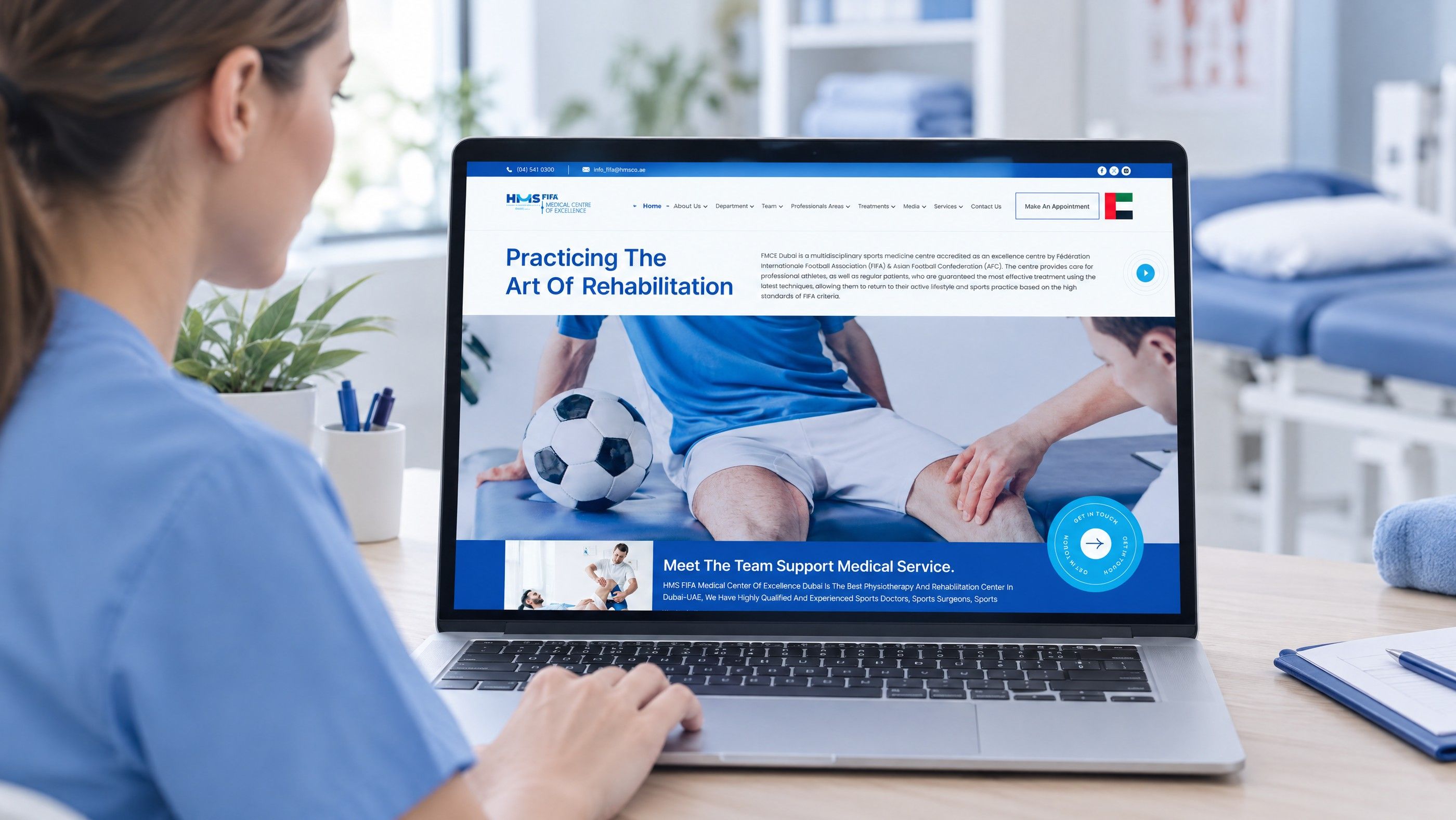
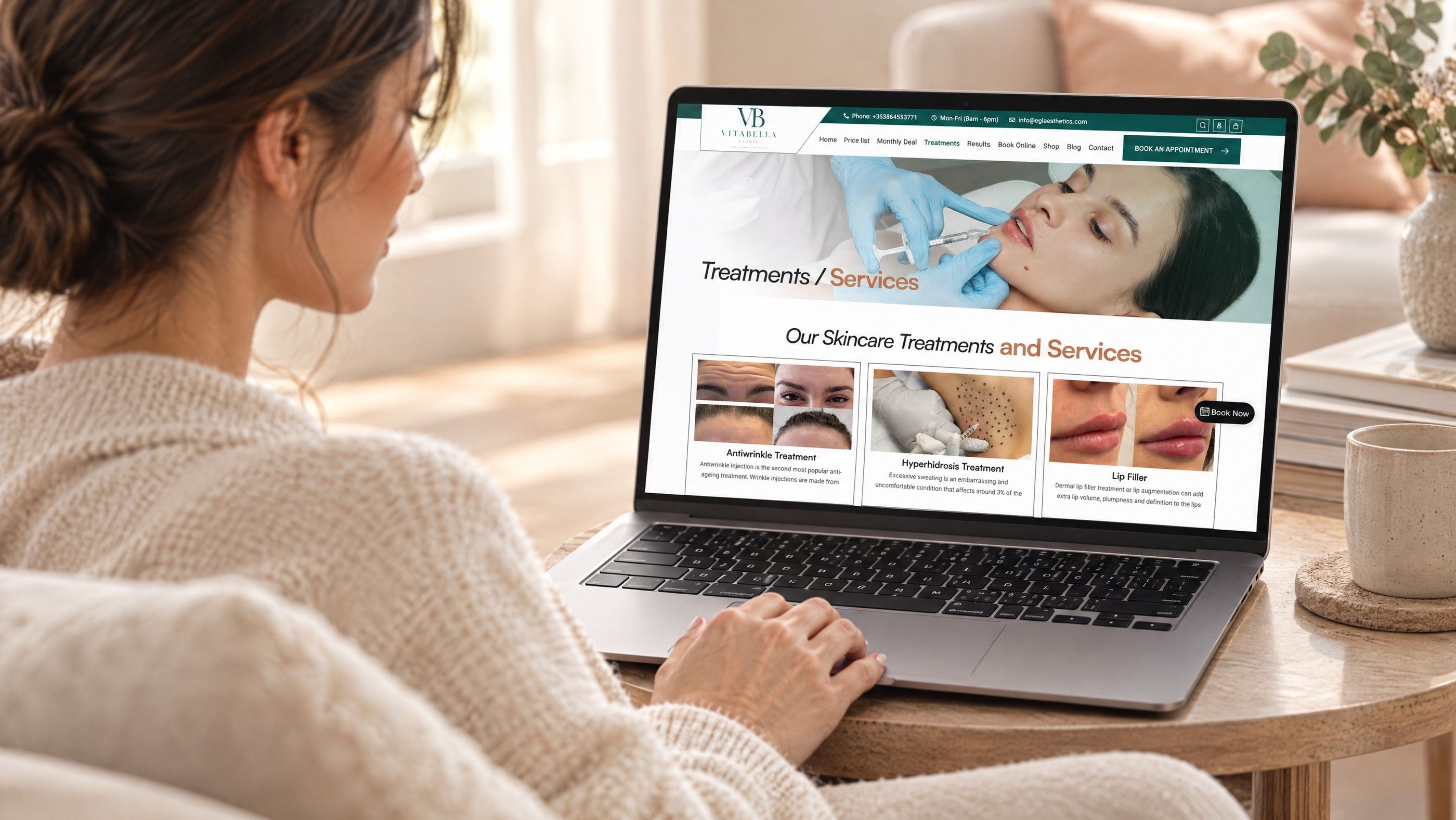
Codeeo has delivered over 200 projects across the UAE and the US, with a team of more than 80 people in Dubai, Riyadh and Karachi, and is rated 4.7 from 23 Google reviews. Our local SEO service covers profiles, reviews, listings and location pages for UK businesses. Our HMS case study shows a physiotherapy group's website with appointment requests, and our EGL Aesthetic case study shows a WordPress site for an aesthetic clinic, designed for the brand. Start with a visibility audit, or contact our team.
Frequently asked questions
Yes.
Local SEO targets map results and people searching near you, mainly through your Google Business Profile, reviews, listings and location pages. Regular SEO targets searches anywhere, mainly through website content, technical health and links. Most local businesses need both, but local signals usually bring more calls and visits from nearby customers.
Since April 2025, UK law bans commissioning or publishing fake reviews and concealing incentivised reviews.
Offering rewards in exchange for reviews carries legal risk and also breaks Google's policies. The safest approach is to ask every customer for honest feedback, without rewards, and reply to all reviews. Check the CMA's fake reviews guidance for the full rules.
Yes, for most local businesses.
Bing results appear in Microsoft Copilot, on Windows devices and in some AI search tools, and Apple Maps is the default map on iPhones, which many UK customers use. Claiming both takes little time, keeps your details accurate and gives customers more ways to find and contact you.
Fixing your Google profile, categories and listings can show results within weeks.
Building reviews, location pages and local prominence usually takes several months of steady work. Busy sectors in large cities such as London take longer than niche services in smaller towns, so track calls and bookings month by month.
Yes.
Each physical branch that serves customers in person should have its own verified Google Business Profile and its own page on your website. Service area businesses without a storefront should use one profile with service areas set. Never create profiles for addresses where you do not actually operate.
SEOGEO vs SEO: Optimising for AI Search in 2026What generative engine optimisation means, how it differs from SEO, and what UK businesses should do so AI answers understand and cite them. SEOEcommerce SEO Strategy for UK Online ShopsHow to build an ecommerce SEO strategy for a UK shop: category plans, technical setup, product pages, free listings and measuring revenue.
 SEOSEO Reporting and Rank Tracking: What UK Businesses Should MeasureWhat a useful SEO report includes, which metrics matter, how to use keyword rank checkers sensibly, and how AI search changes reporting.
Tell us what the business needs. We will tell you what to build first.
Schedule a free consultation and get a written recommendation, with costs, before you commit to anything.
Get in touchPROVEN RESULTS
4.7 / 5verified reviews on Google